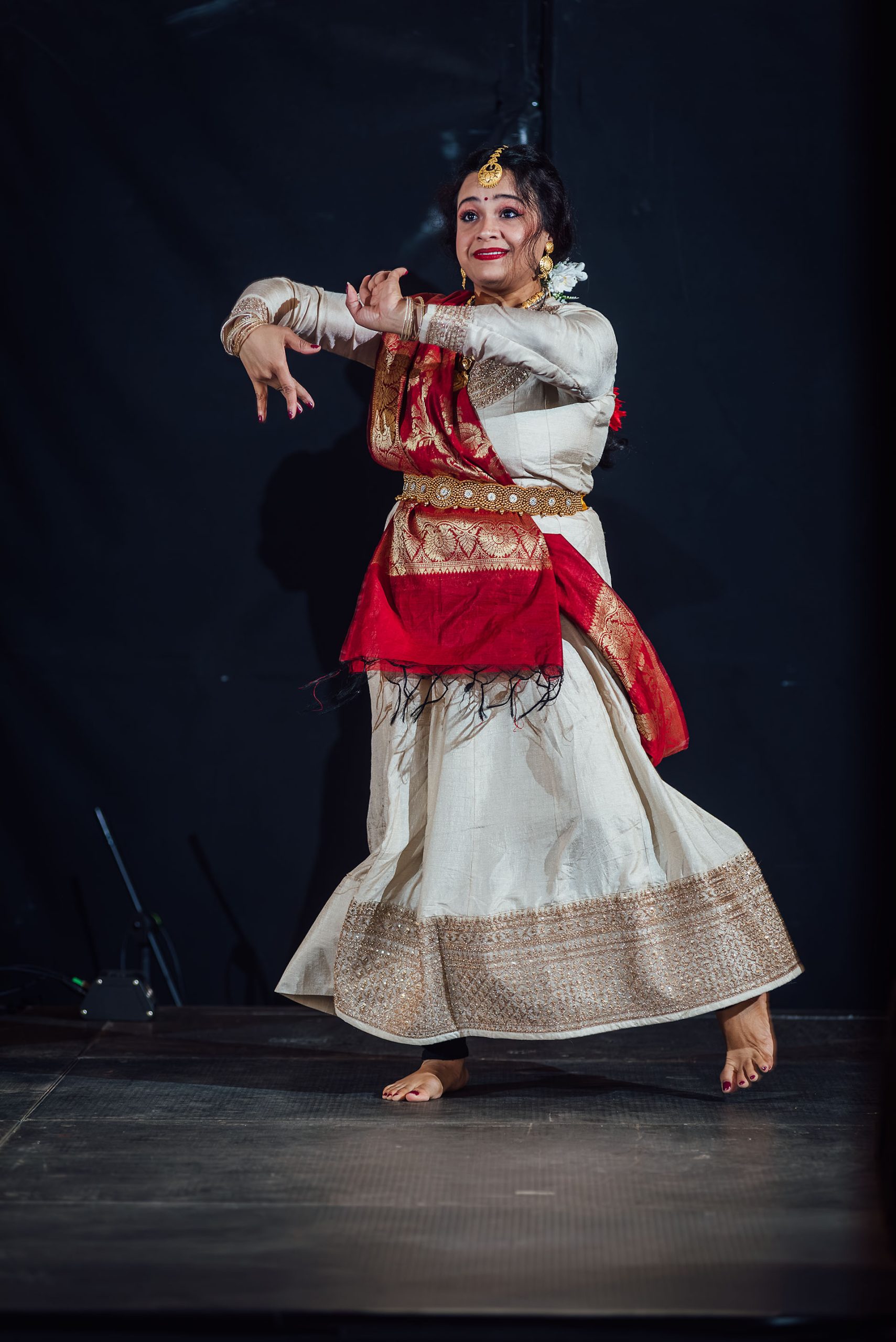
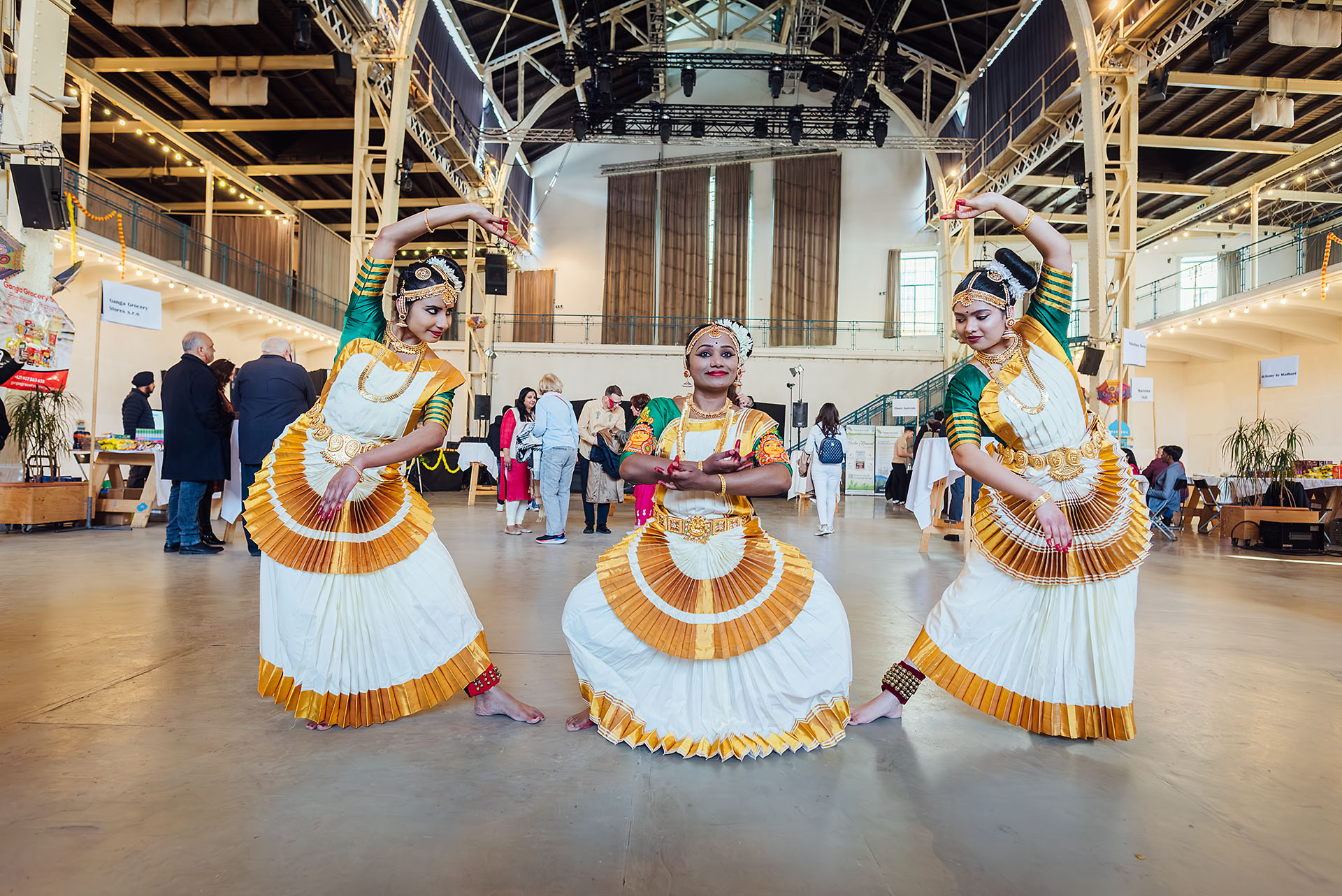
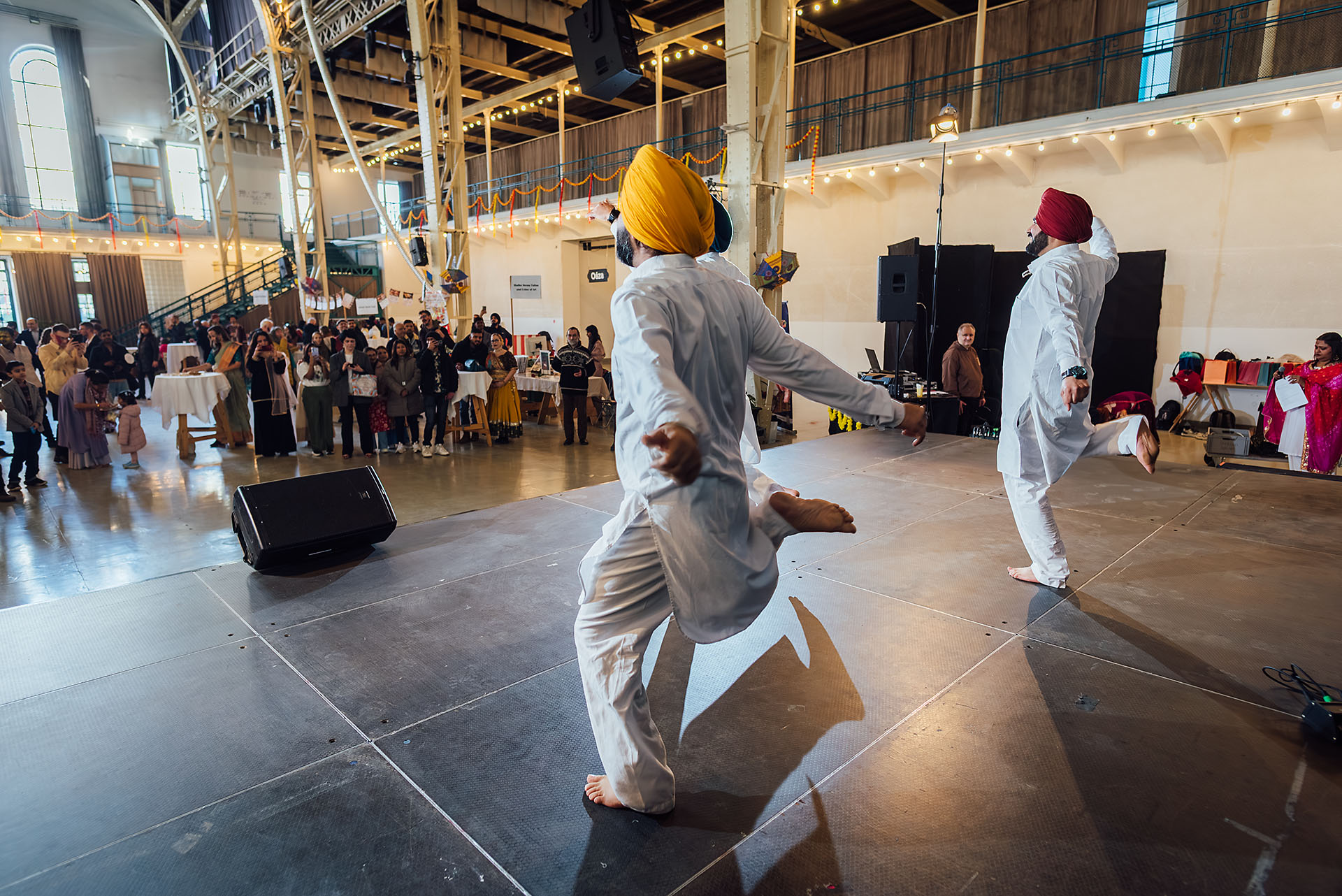
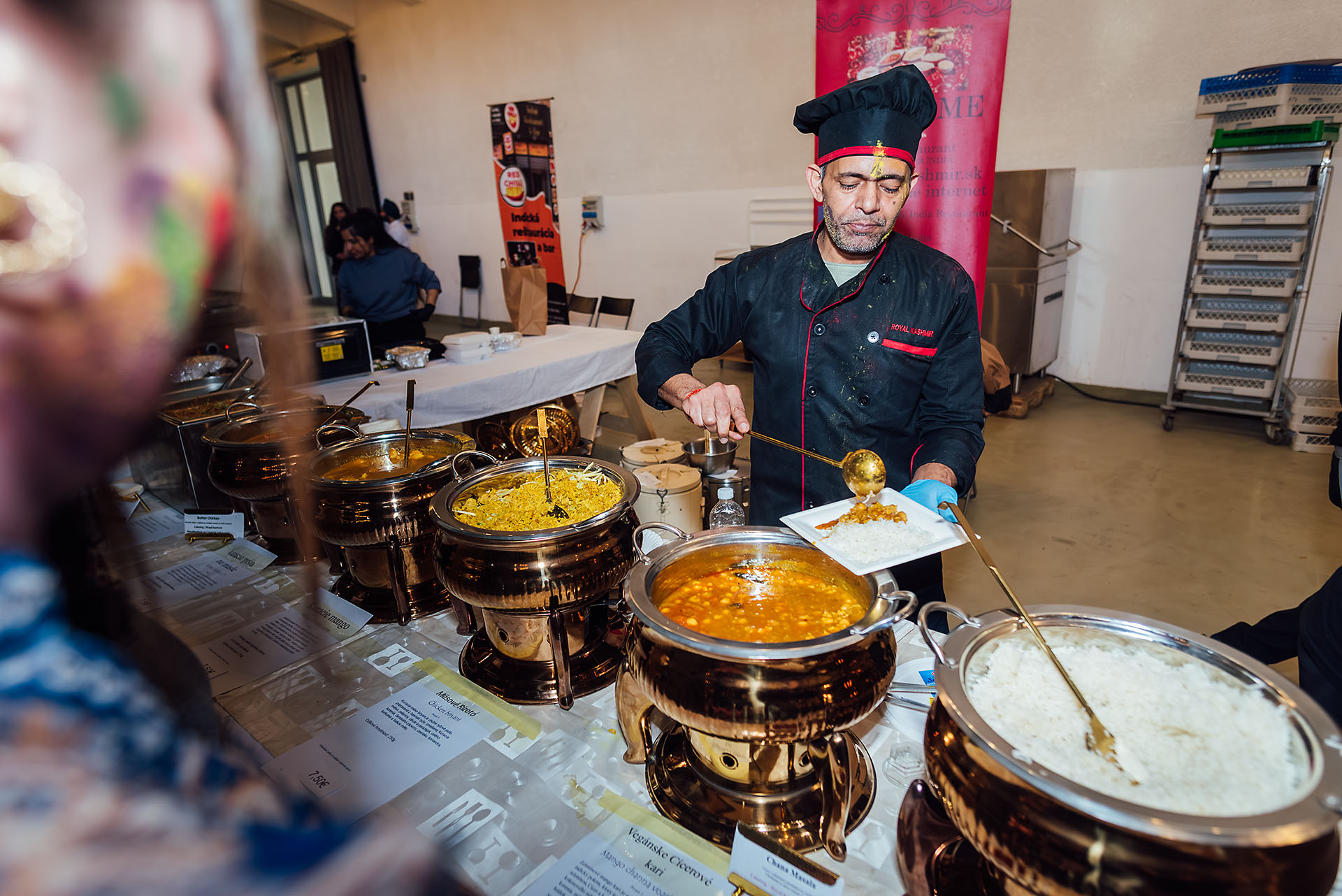
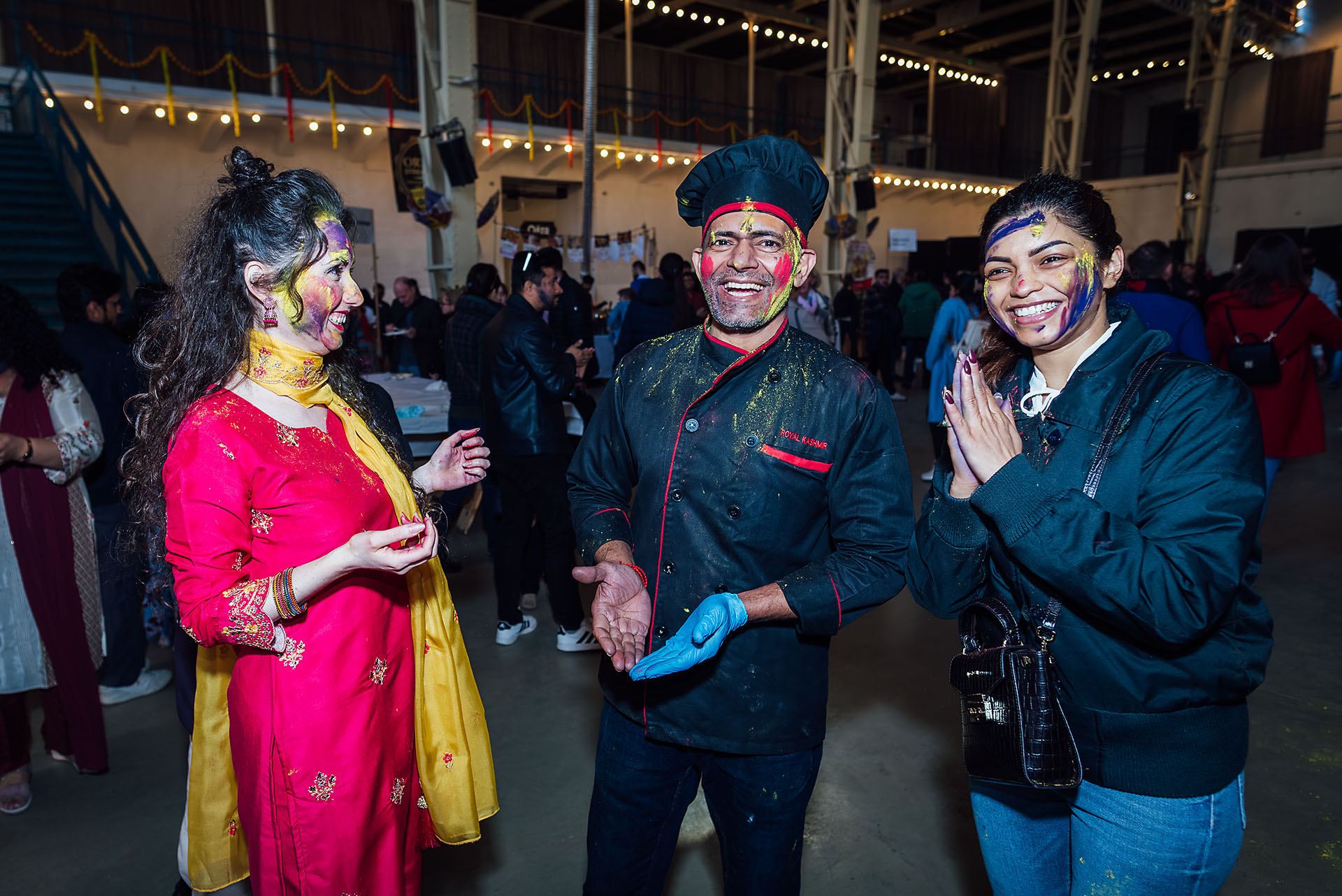
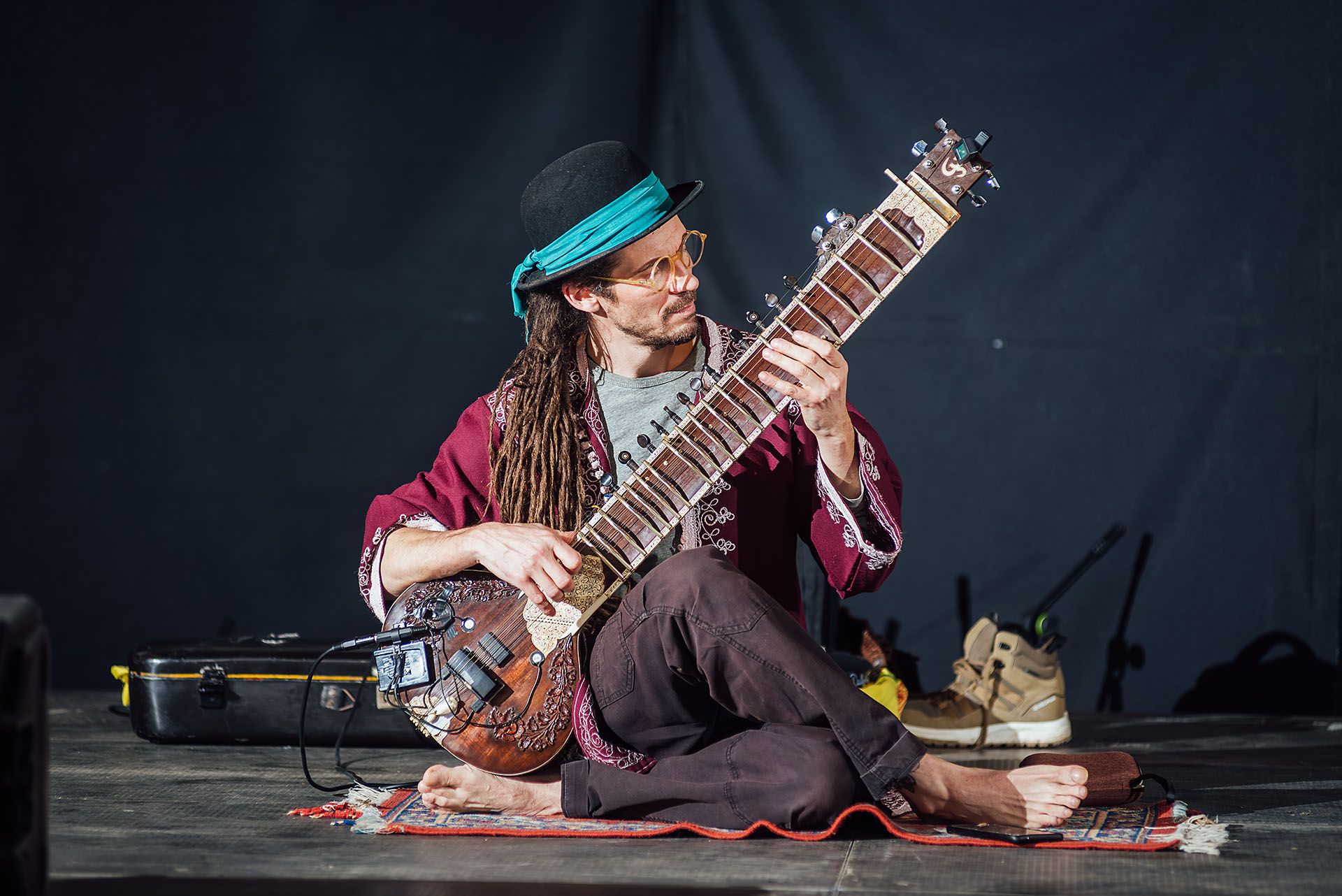
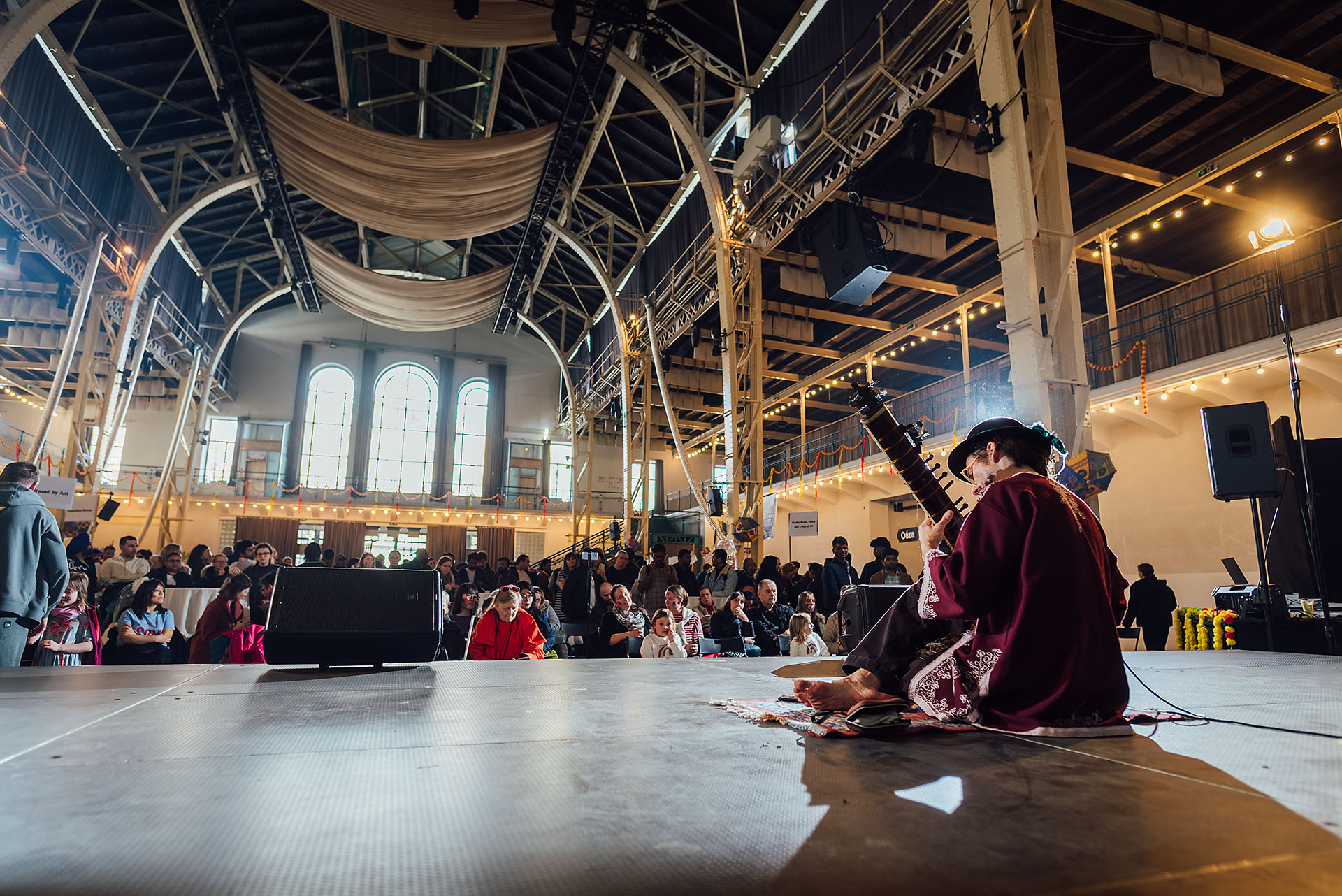
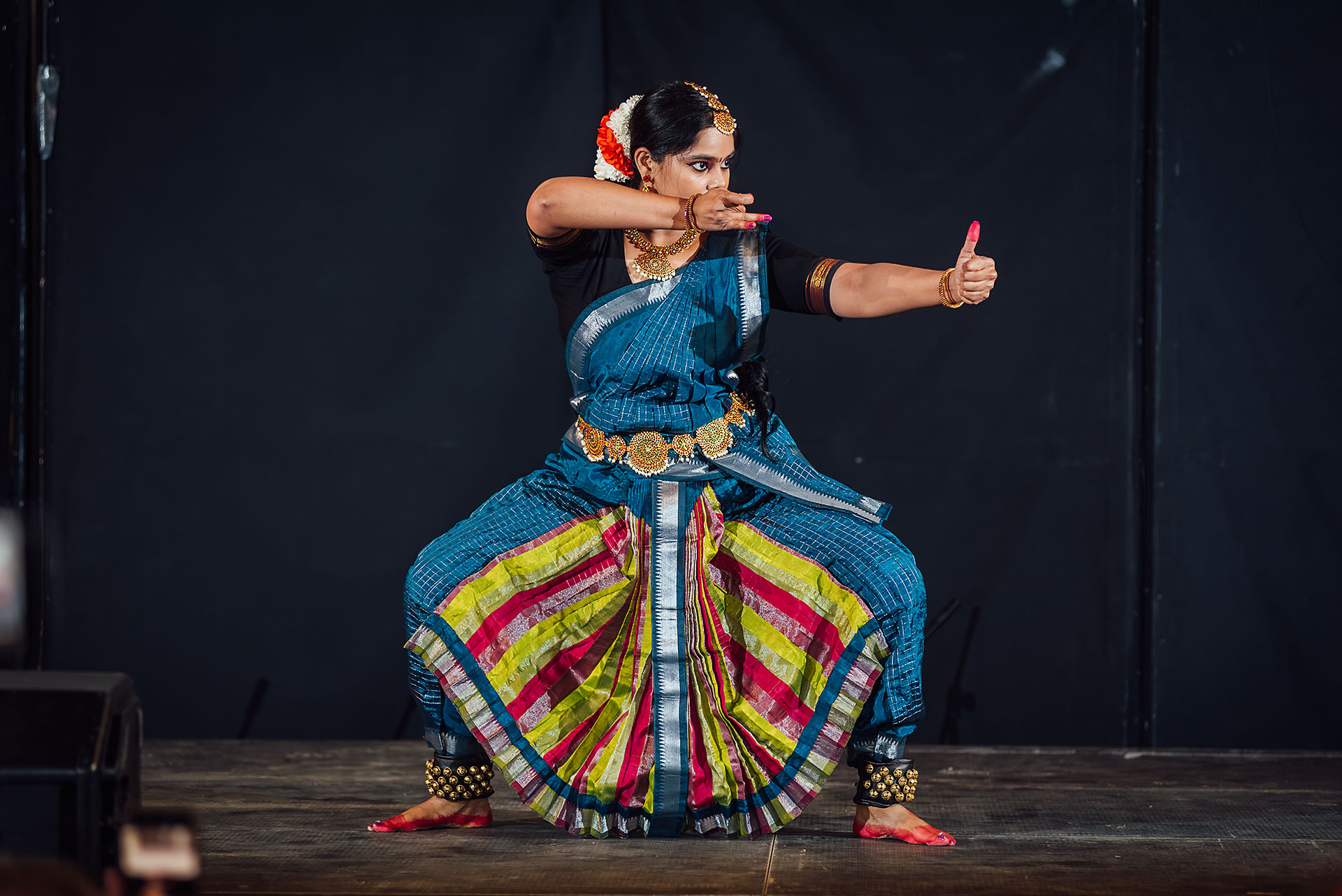
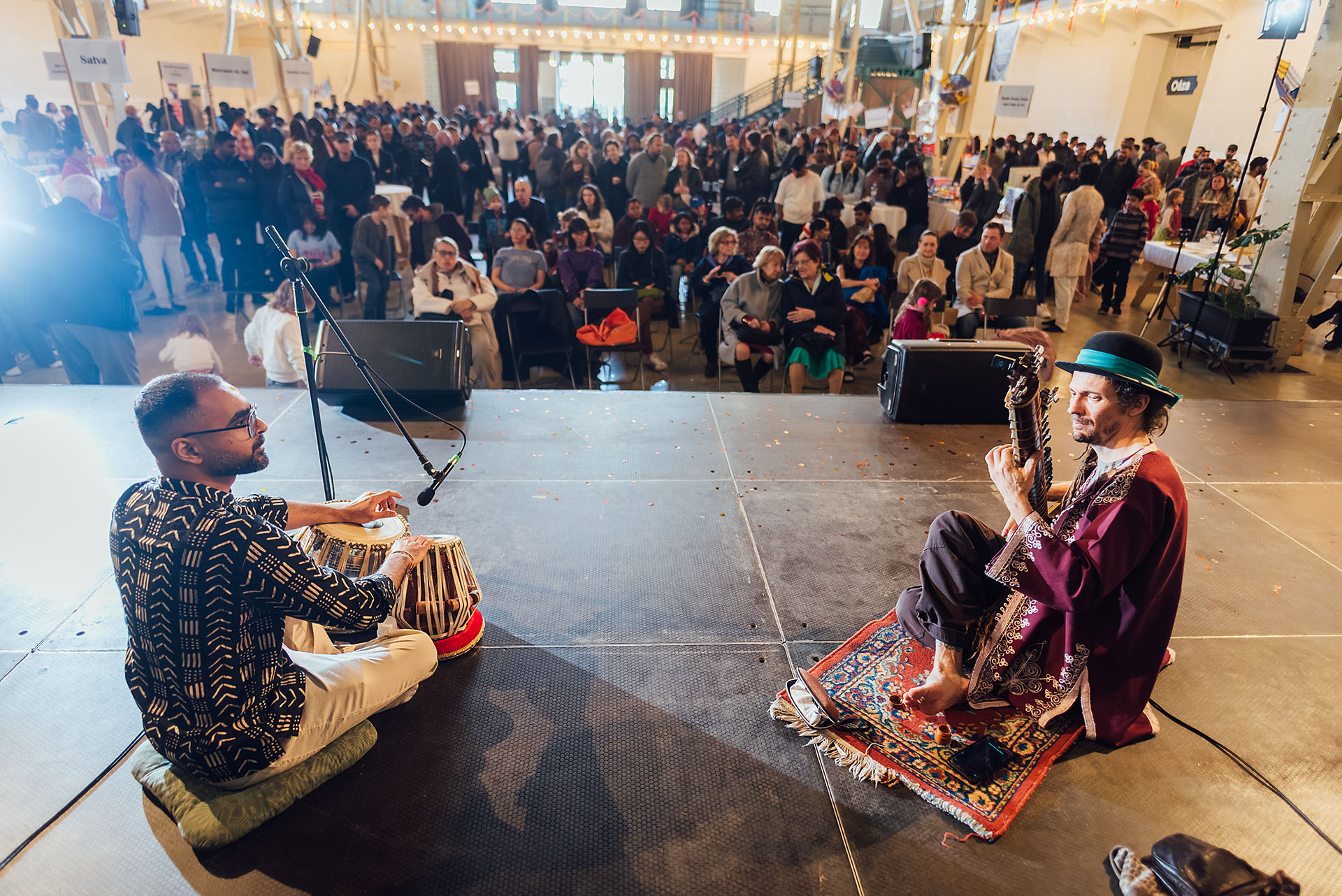
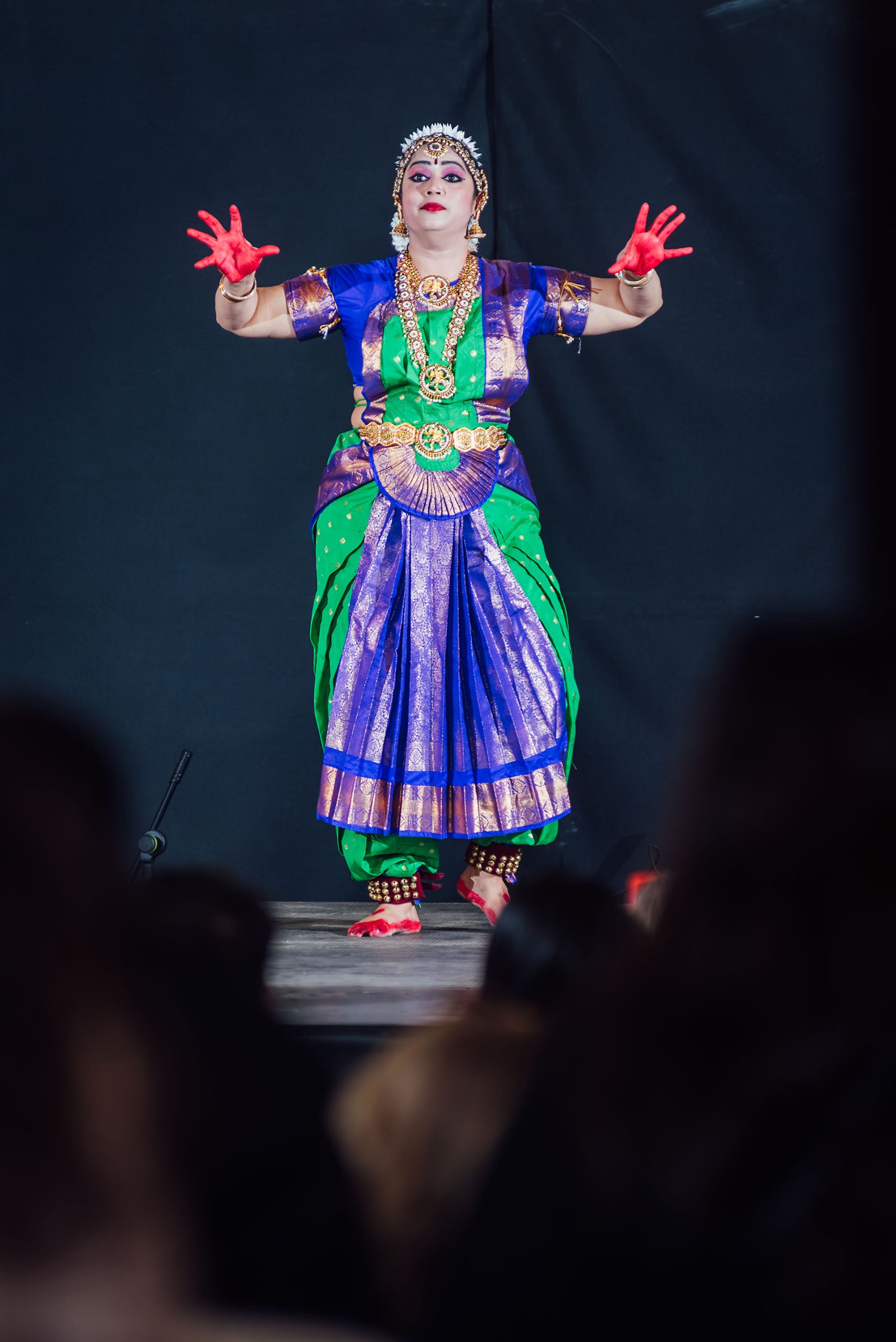
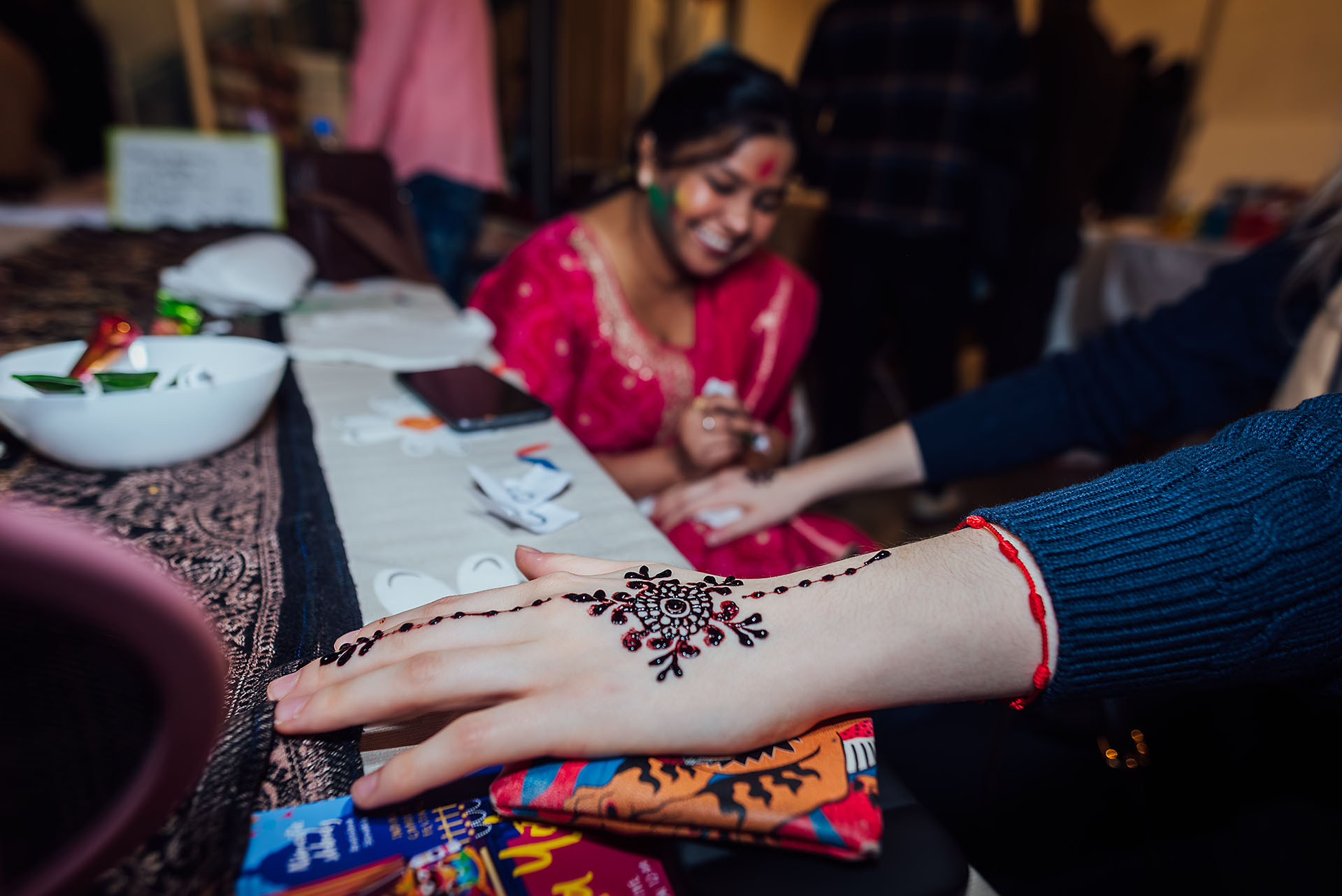
Holi, the Hindu festival of colours and of the arrival of spring, was also celebrated in Bratislava on Sunday 1 March 2026. The Holi festival at Stará tržnica was organised by the Embassy of India as a festival of colours and joy with dance, music, food and fun games. We have worked with the embassy for a long time and have also photographed the visit of India's Minister of Education.
What Holi is and why it is celebrated
Holi is a Hindu festival of colours and one of the best-known Indian celebrations. It celebrates the arrival of spring, the end of winter and the victory of good over evil. It is celebrated in the month of Phalguna of the Indian lunar calendar, at the time of the full moon, that is, at the end of February or in March – in 2026 Holi fell at the beginning of March.
The festival is linked with several legends that differ in the individual regions of India. The best known tells of Prahlad, a devoted worshipper of the god Vishnu, whose father, the demon king Hiranyakashipu, demanded to be worshipped as a god. The king's sister Holika, said to be immune to fire, was to destroy the boy in the flames. Vishnu, however, protected Prahlad and Holika was consumed. The name of the festival derives from her name.
A second tradition links the custom of colouring with Krishna and Radha: Krishna playfully coloured her face, and since then everyone plays with colours. In some parts of India the emphasis is more on the big bonfire, elsewhere on the story of Krishna and Radha – in West Bengal the festival is called Dol Jatra and statues of Radha and Krishna are carried on decorated swings. Holi is thus a festival of joy, love, forgiveness and new beginnings, during which differences between people briefly fade.
How Holi is celebrated
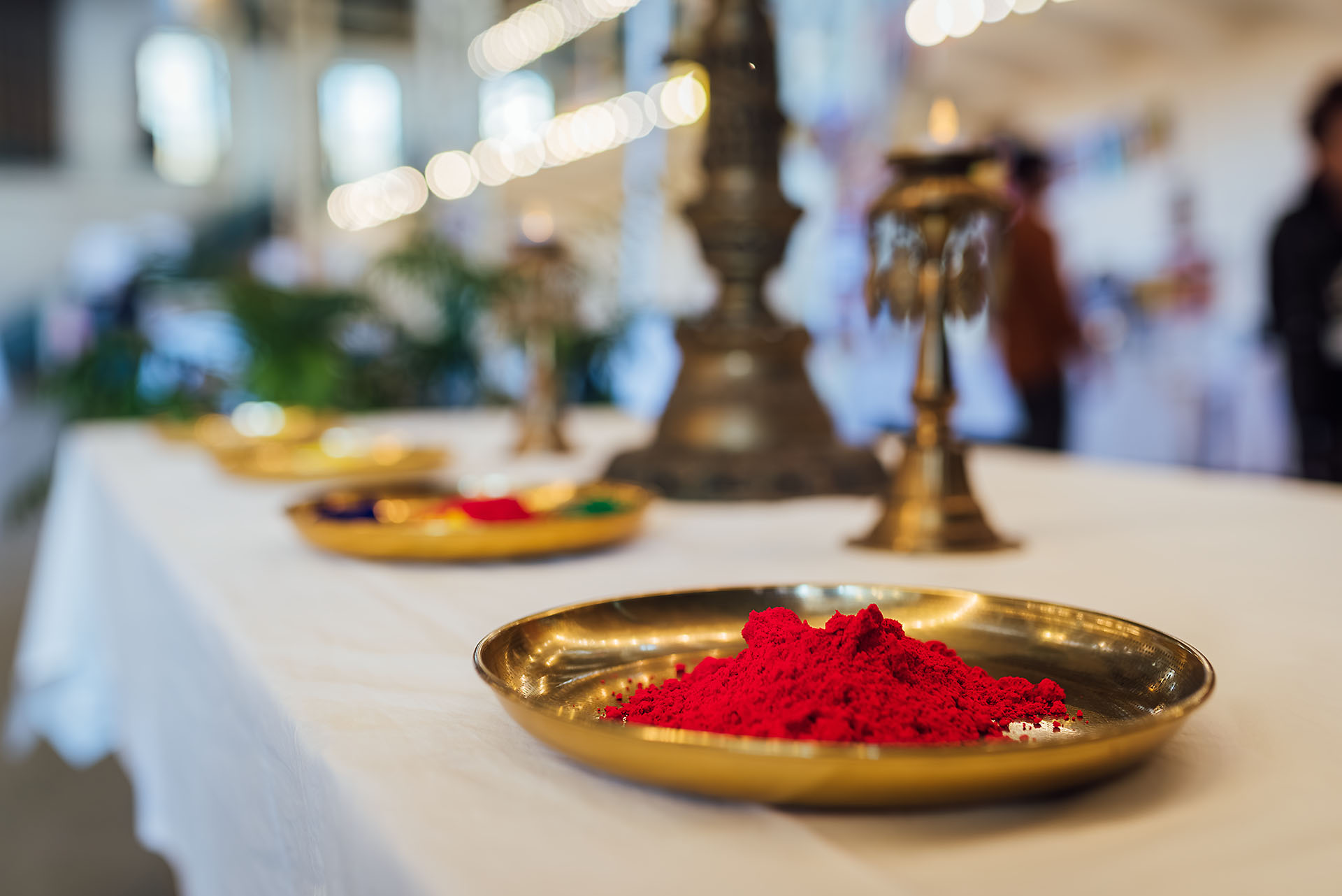
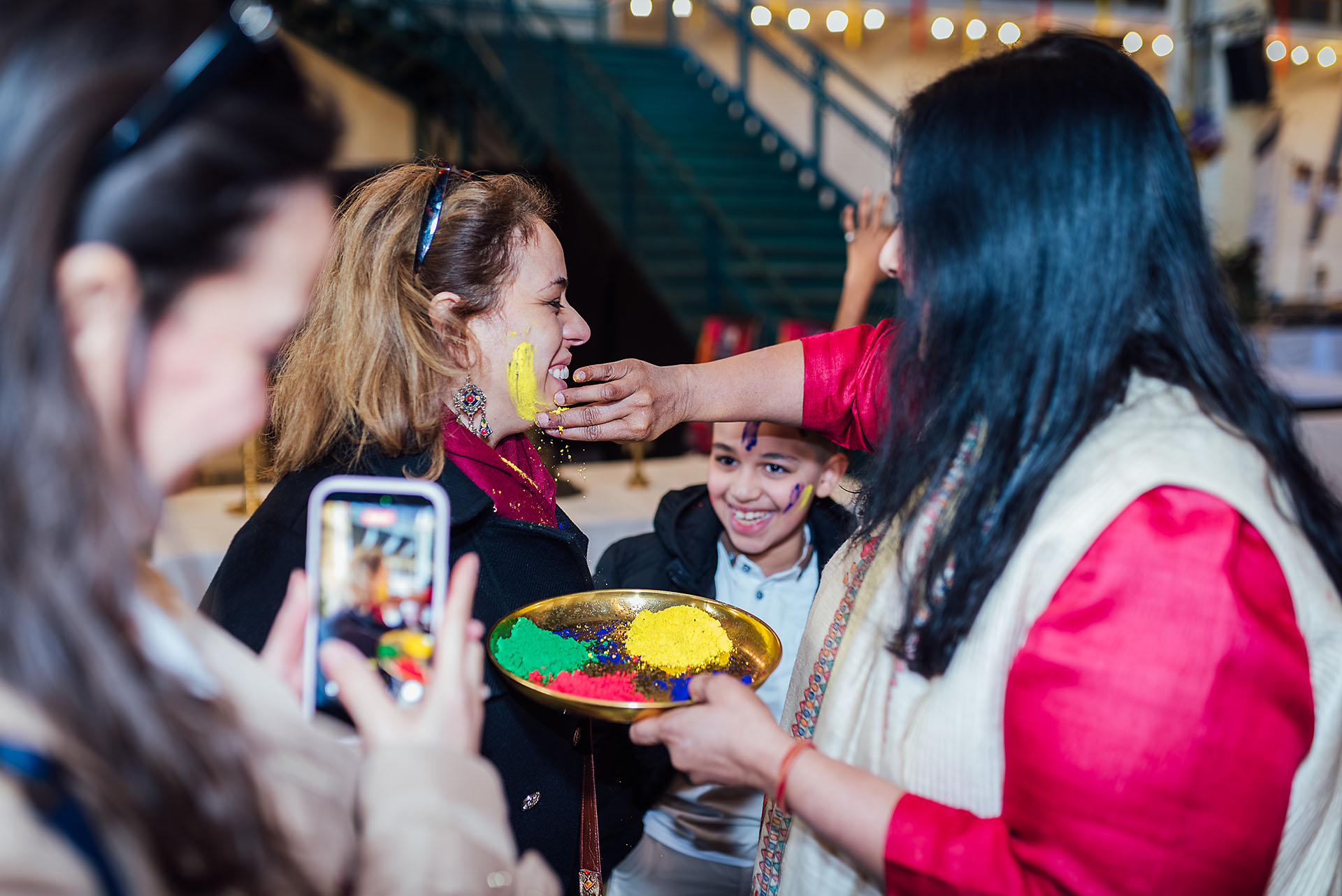
The celebrations usually last two days. On the first evening, called Holika Dahan, large bonfires are lit that symbolise the victory of good over evil. The second day – Rangwali Holi or Dhuleti – belongs to colours: people throw coloured powders called gulal at each other and splash each other with water. Traditionally gulal was made from flowers and herbs; today synthetic colours are also used, which is why natural ones are increasingly chosen.
The colours also carry symbolism – according to tradition, red, for example, stands for love and fertility and blue for Krishna. The celebrations also include music, dance and shared food, so Holi is above all a festival of community, family and friends. It is also celebrated by Indians living outside India, which is why Holi is now celebrated in many cities around the world.
Holi at a glance
- What it is: a Hindu festival of colours and of the arrival of spring.
- When it is celebrated: at the time of the full moon in the month of Phalguna, at the end of February or in March.
- What it symbolises: the victory of good over evil, love, forgiveness and a new beginning.
- Main customs: bonfires on the eve of the festival and playing with coloured powders and water on the following day.
Holi at Stará tržnica in Bratislava
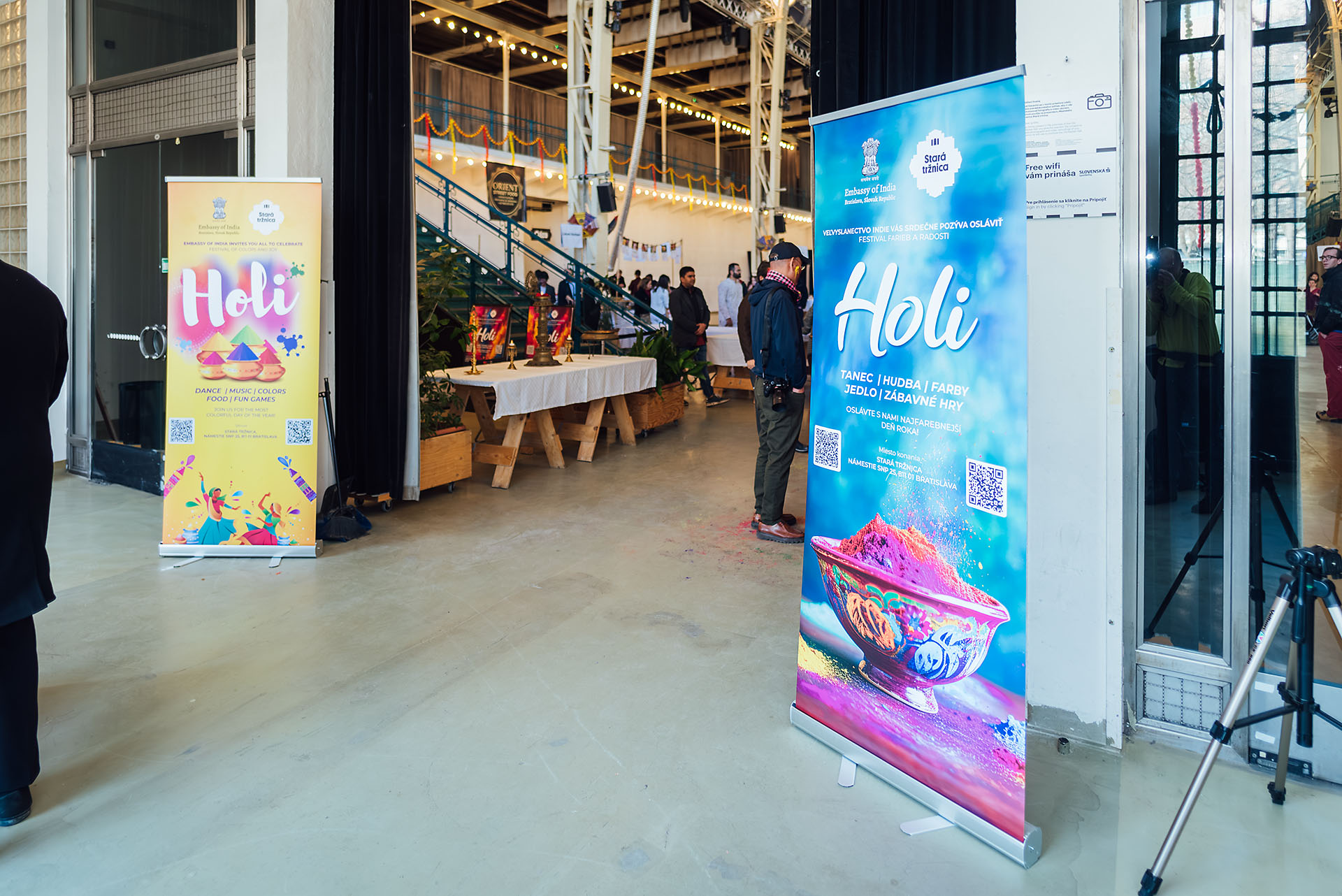
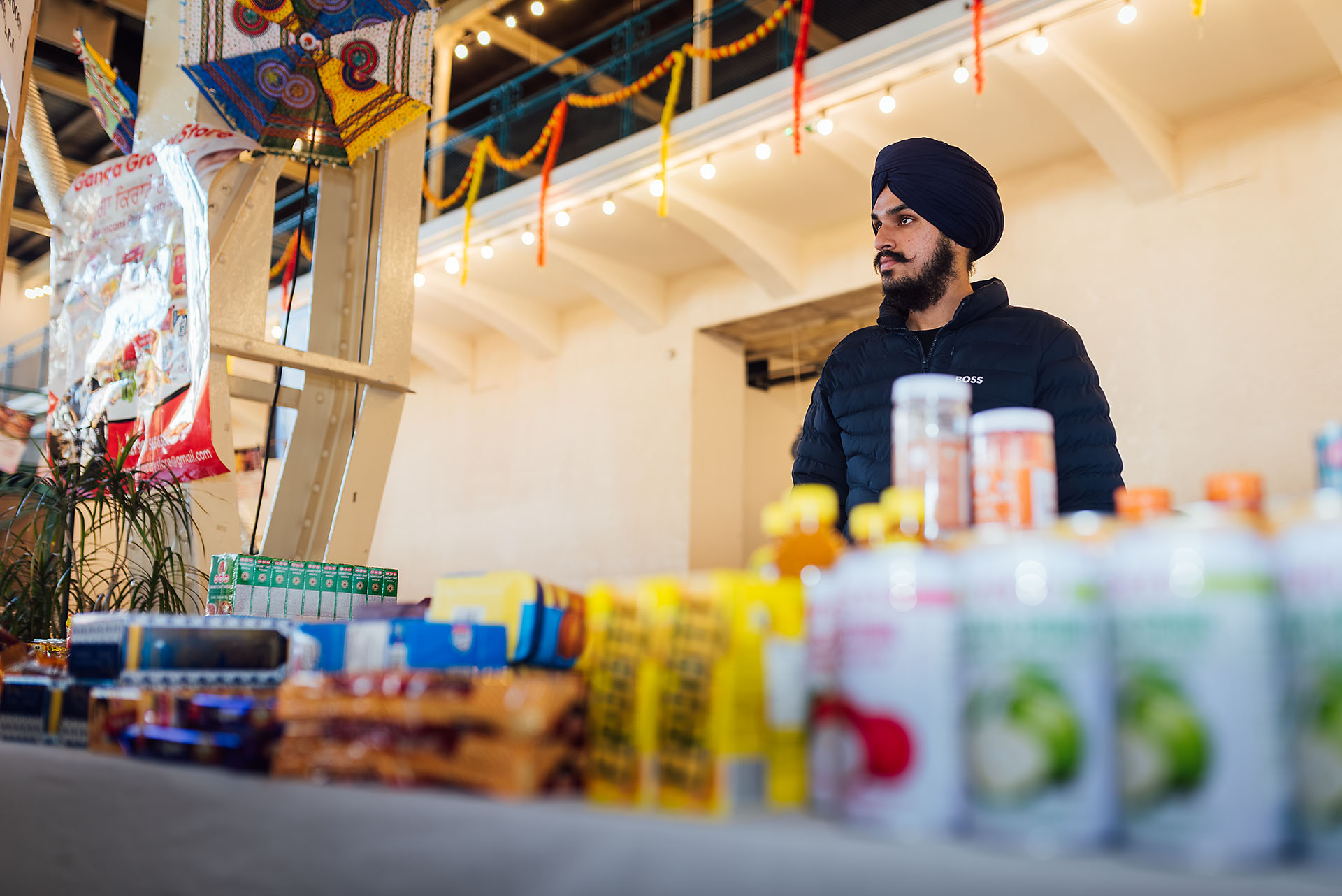
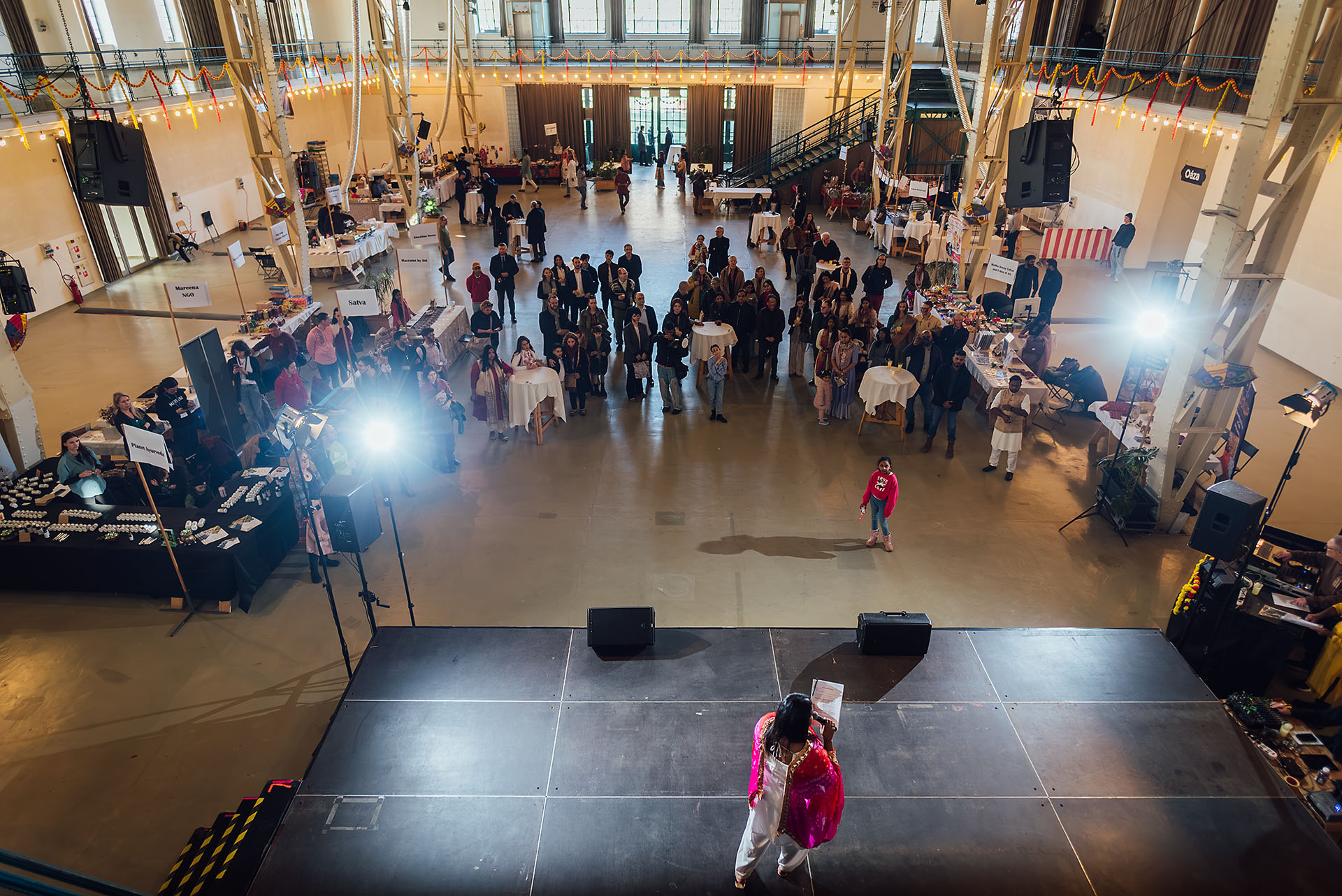
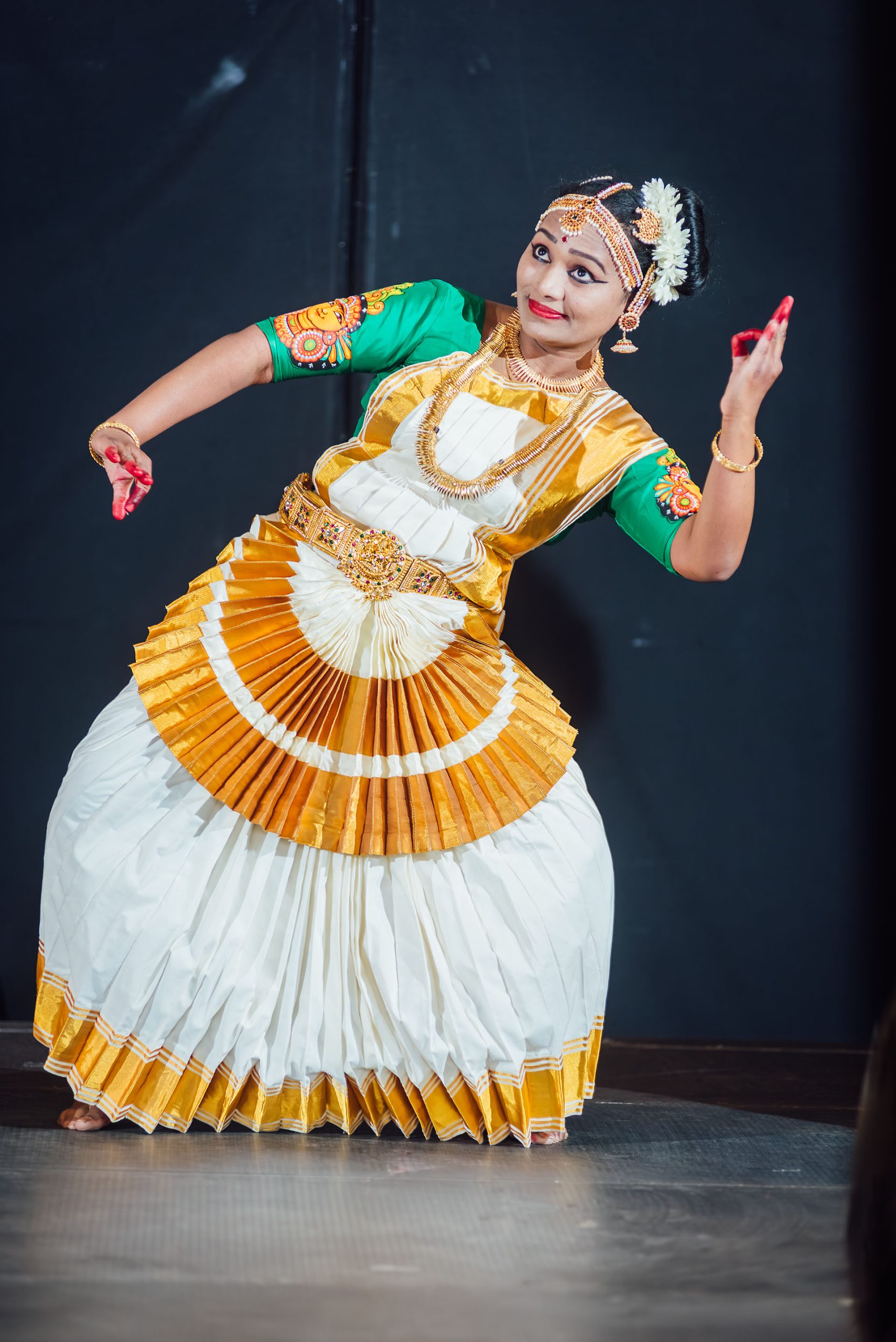
The Embassy of India invited the public to celebrate “the most colourful day of the year” at Stará tržnica on Námestie SNP in Bratislava. According to the invitation, the programme consisted of dance, music, colours, food and fun games. Indian dancers performed on the stage, and the festival became a meeting place for the Indian diaspora in Slovakia. Holi thus brought a tradition that is celebrated on the streets in India into the space of Bratislava's Stará tržnica.
Stará tržnica is a historic market hall from 1910 that today serves as a multipurpose urban centre. Its open space with a high ceiling suits events like this – there is enough room for a stage, stalls and hundreds of visitors.
Cultural events of this kind are a way for embassies to present the culture of their country to the general public, and at the same time an opportunity for a community living far from home to celebrate the festival together.
Photographing festivals and cultural events
The Holi festival is both a challenge and a reward for a photographer: colours, movement and the spontaneous emotions of guests create an atmosphere that has to be captured right in the moment it arises. Coloured powders and the movement of the crowd are also a technical challenge that only an experienced event photographer can handle. As with photographing concerts and dance performances it is about capturing the energy and meaning of the performance as well as the atmosphere of the whole event.
We have been documenting cultural and diplomatic events such as Holi for a long time – you can read more on the page photographer for diplomatic events.
Similar reports
The atmosphere of other Indian celebrations is shown by reports from India's Republic Day at Hotel Devín and from a meeting with the Indian diaspora, and the festival mood is captured by the report from Festival Nature 2024 on Kuchajda.